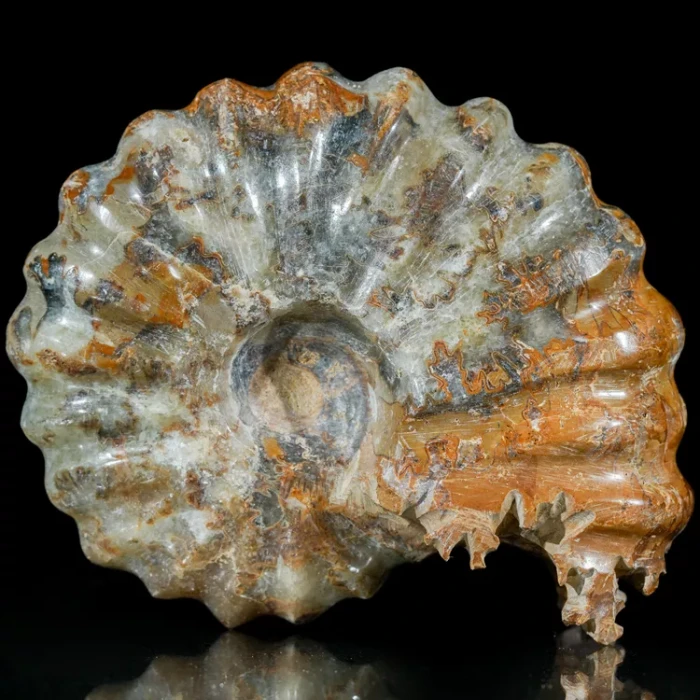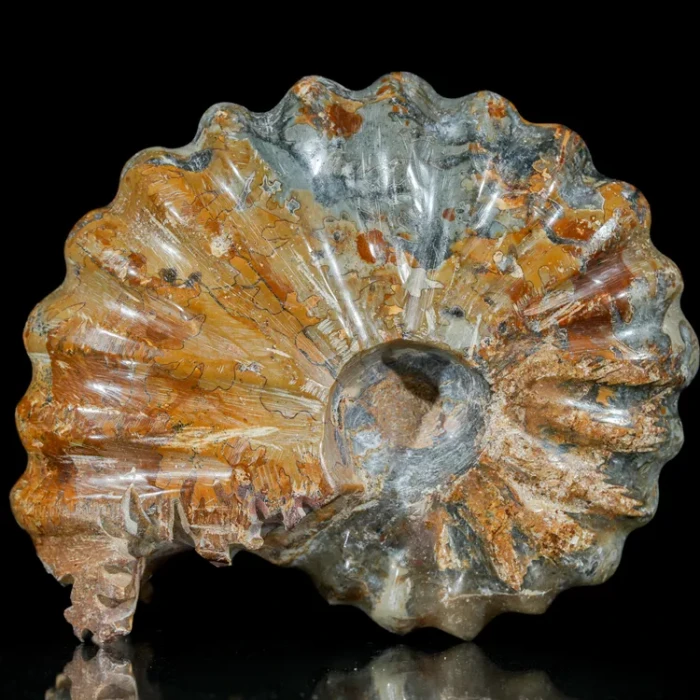
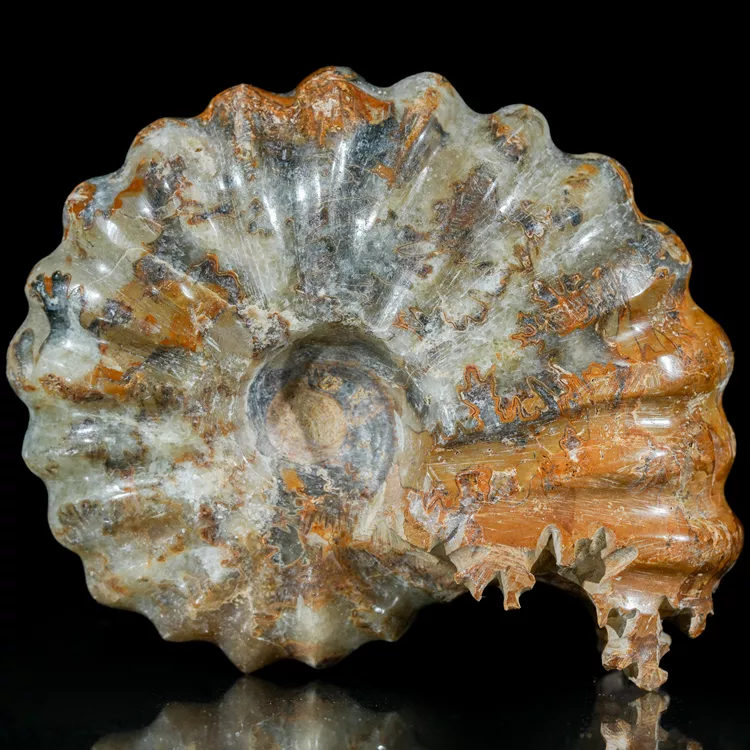
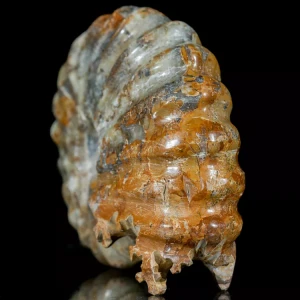



Raw Ammonite from Madagascar (Douvilleiceras) – Natural Fossil – Lower Cretaceous
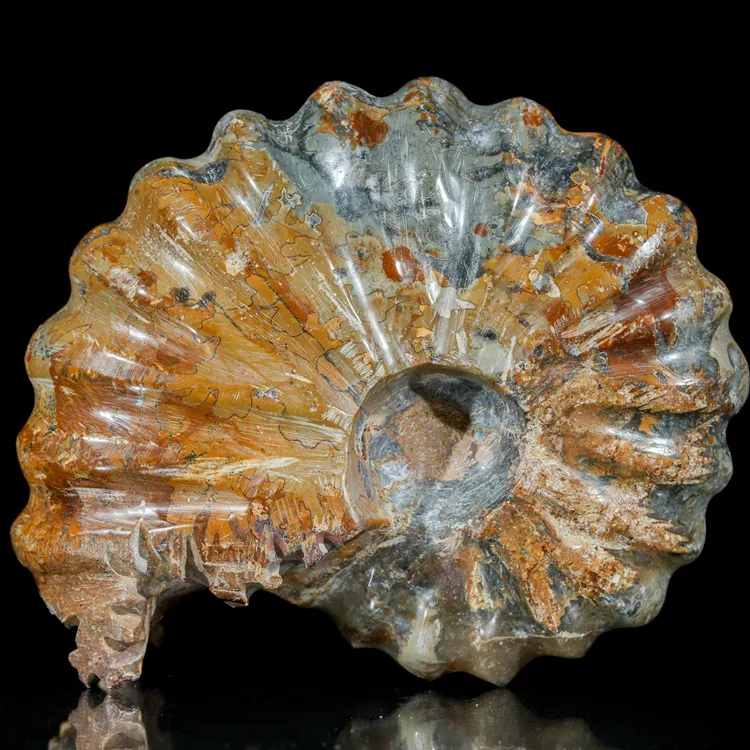
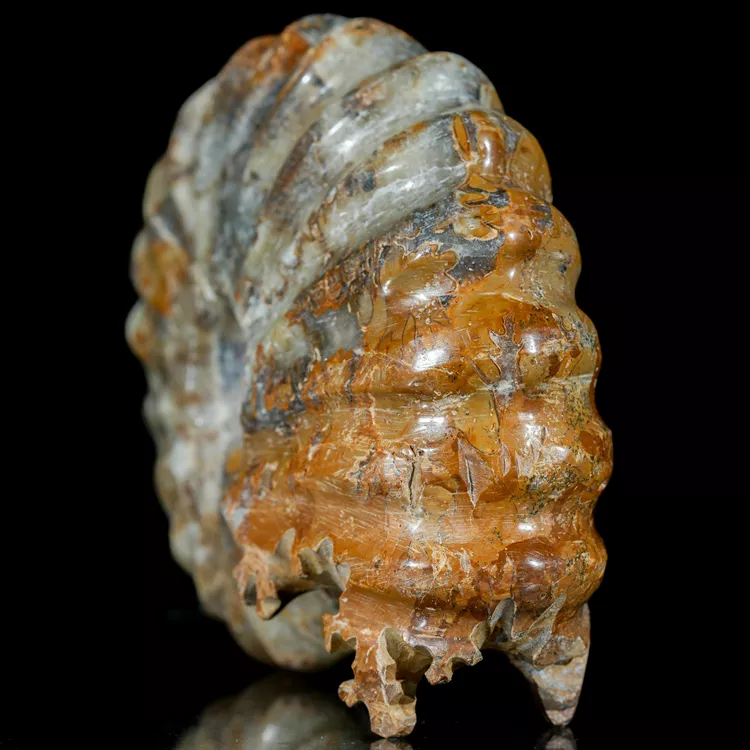
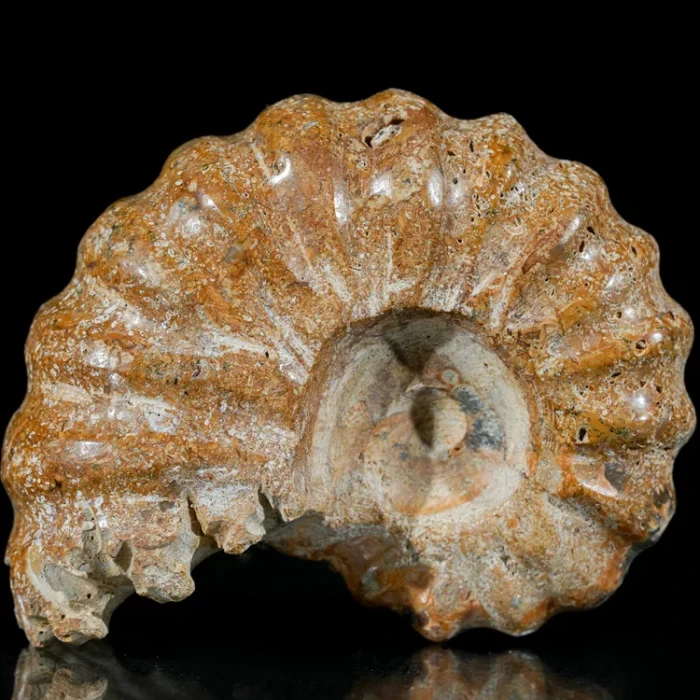
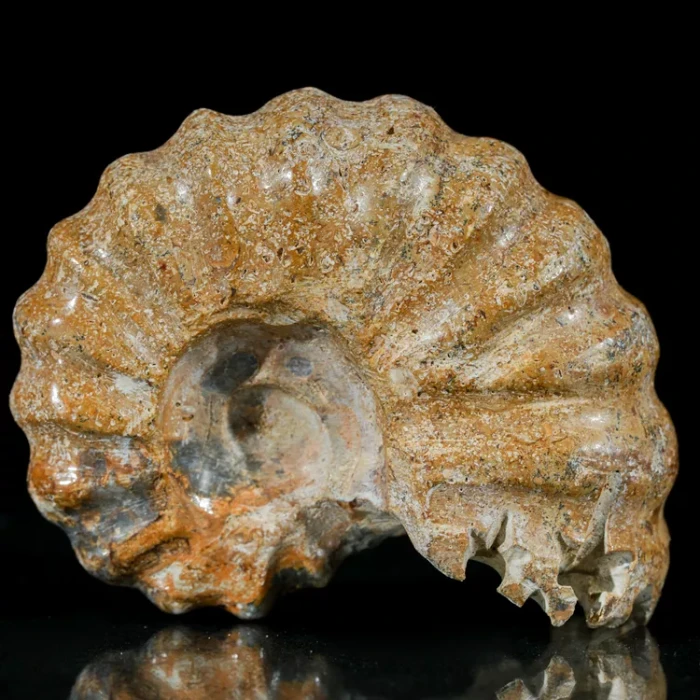
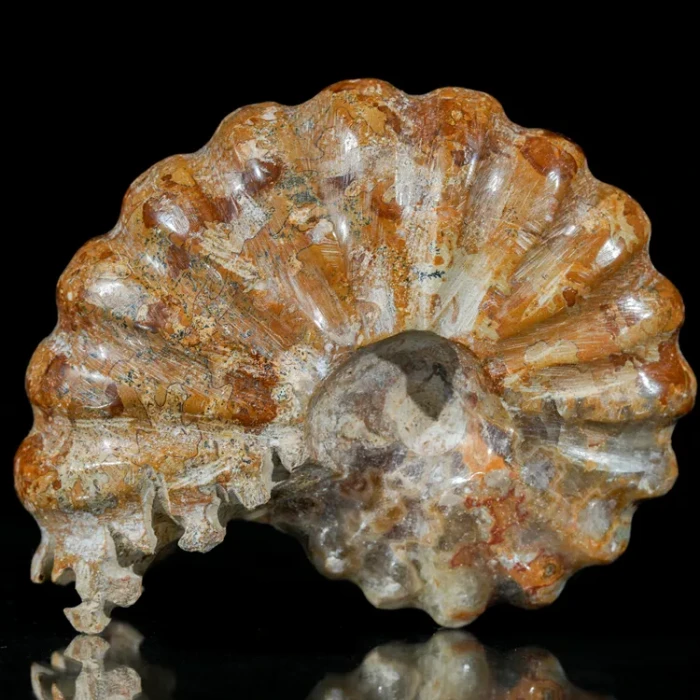
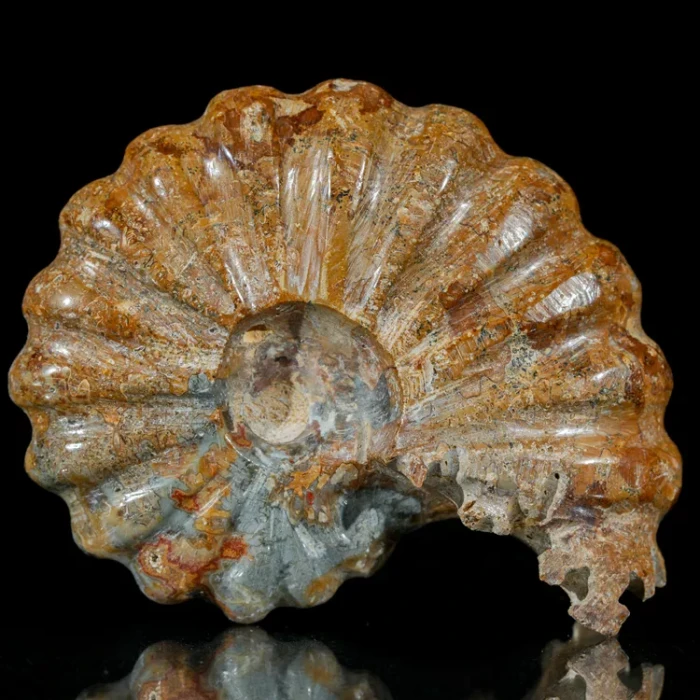
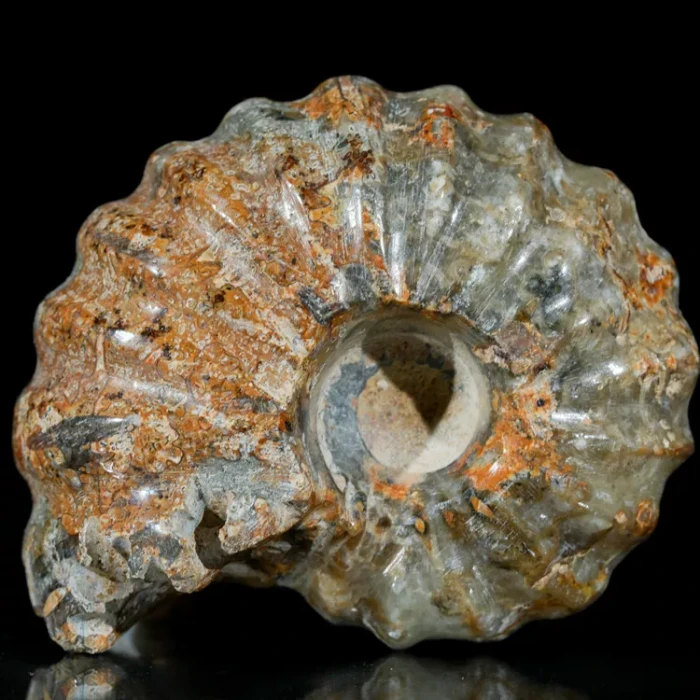
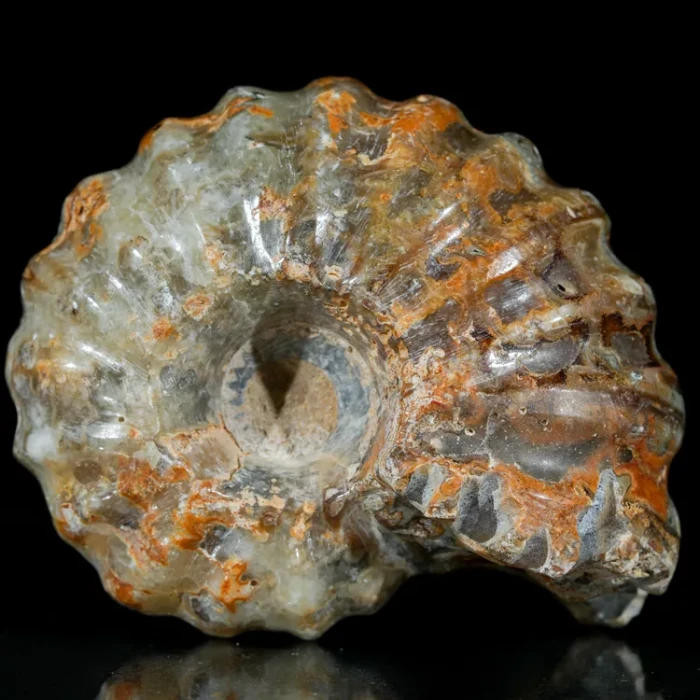
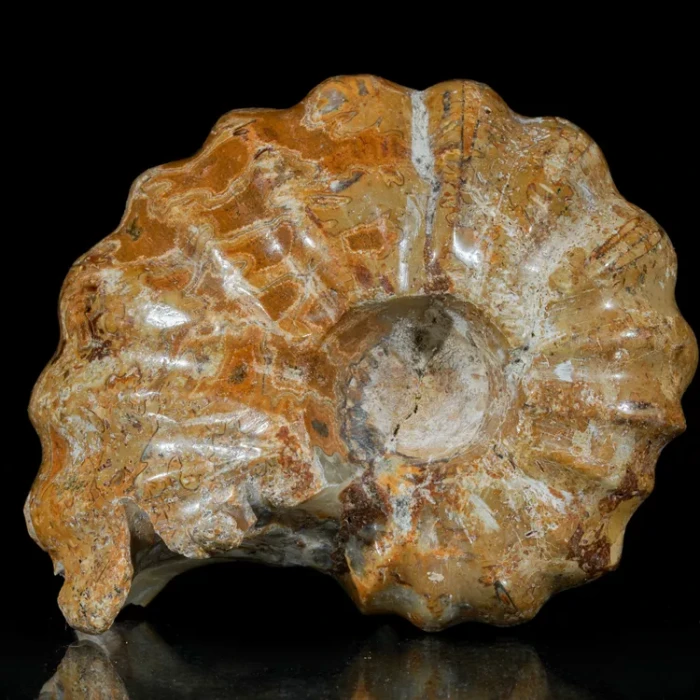
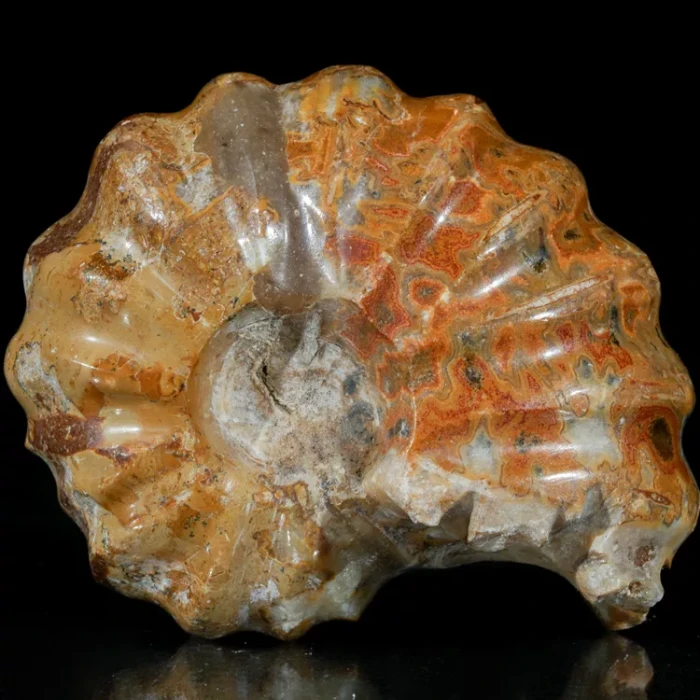
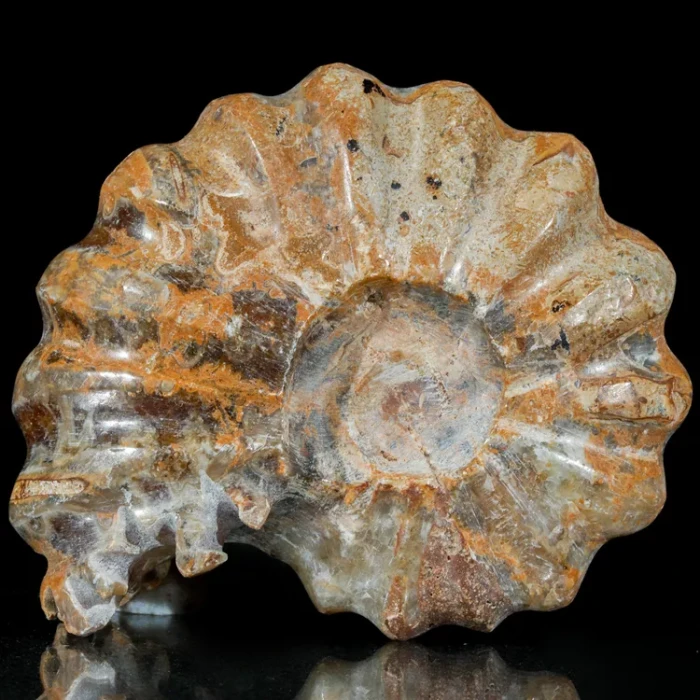
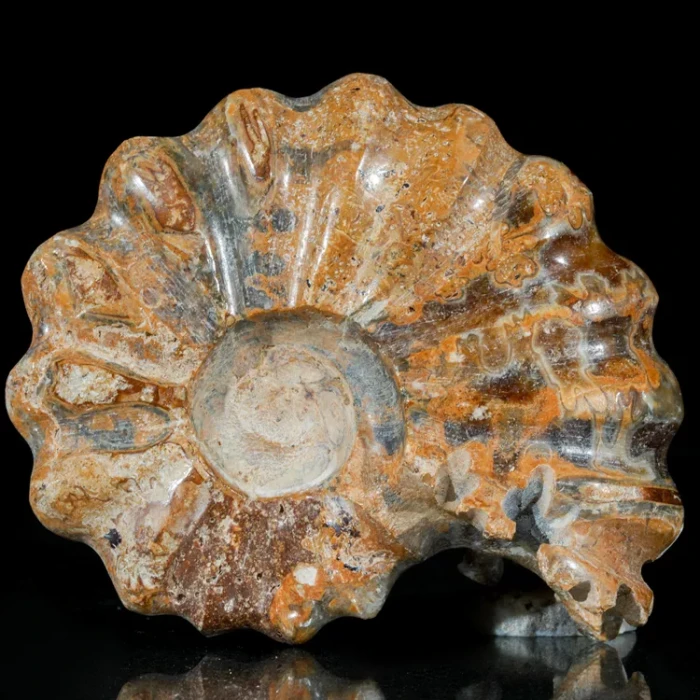
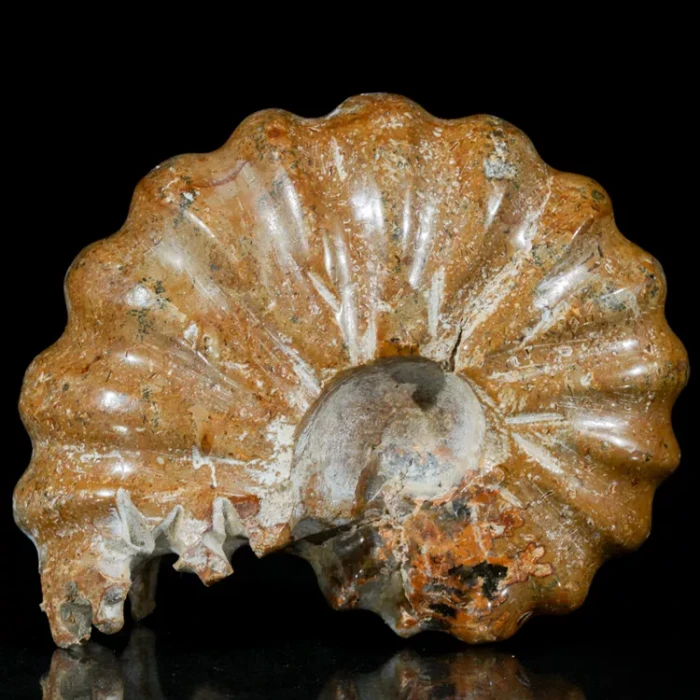
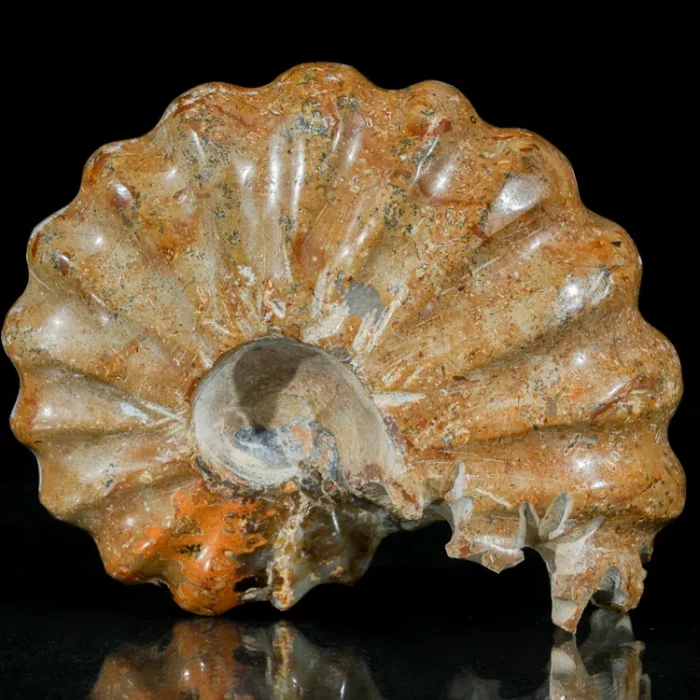
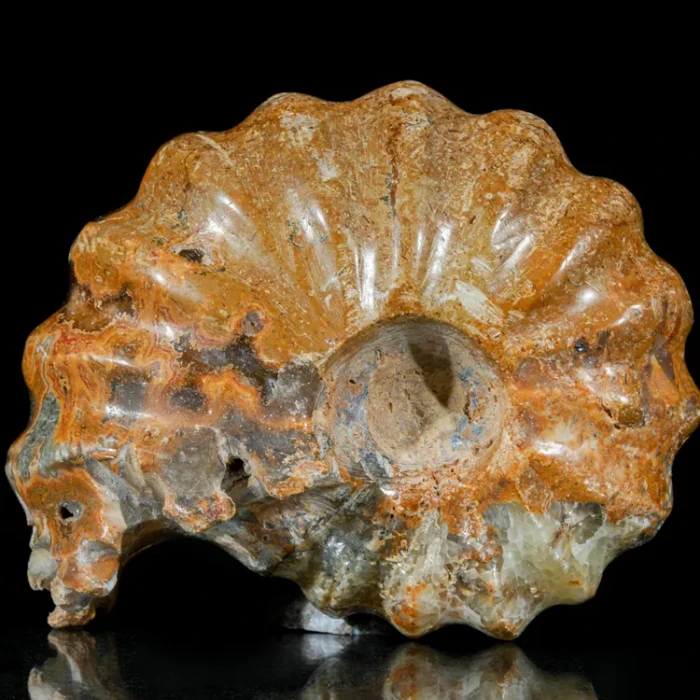
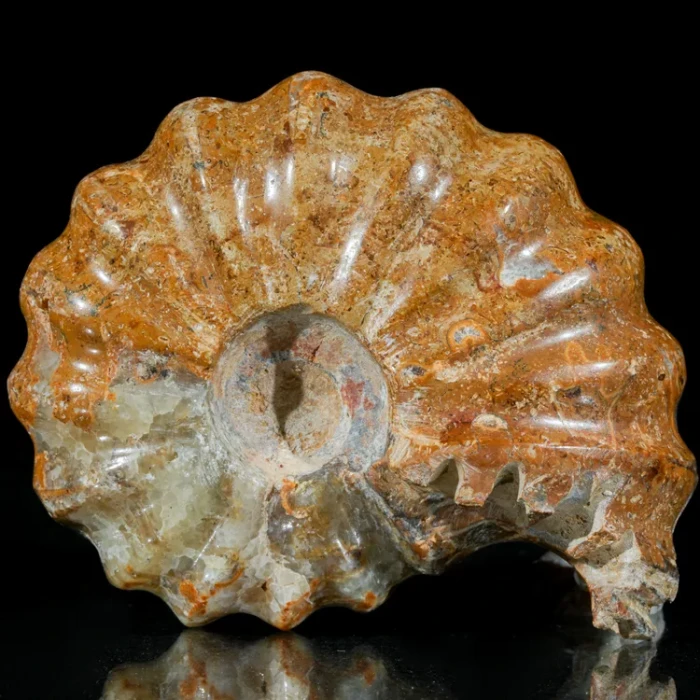
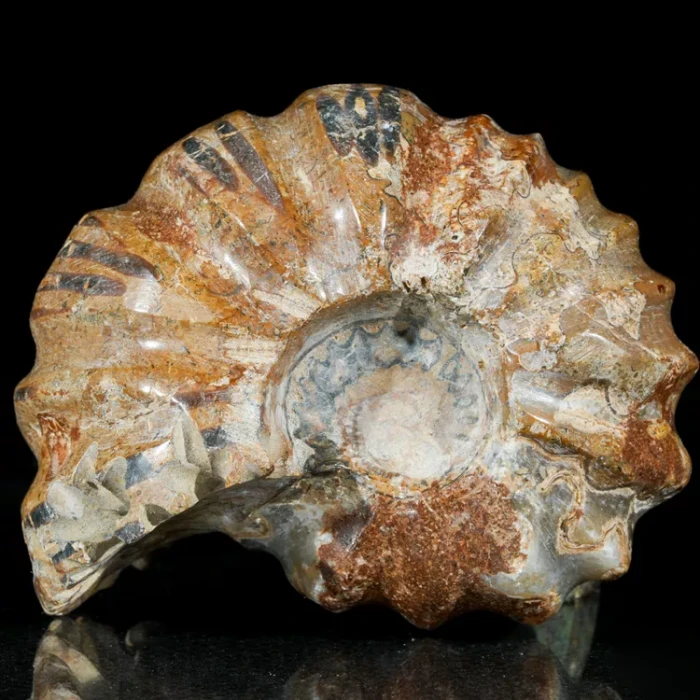
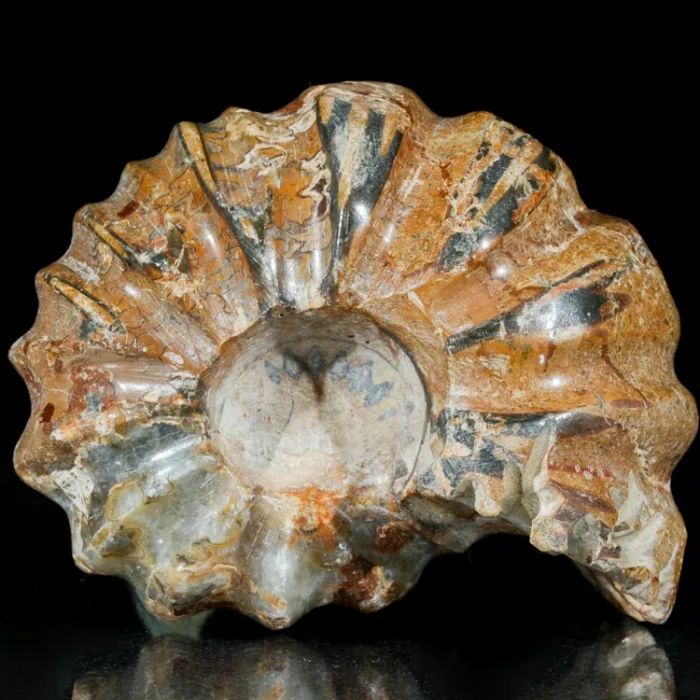
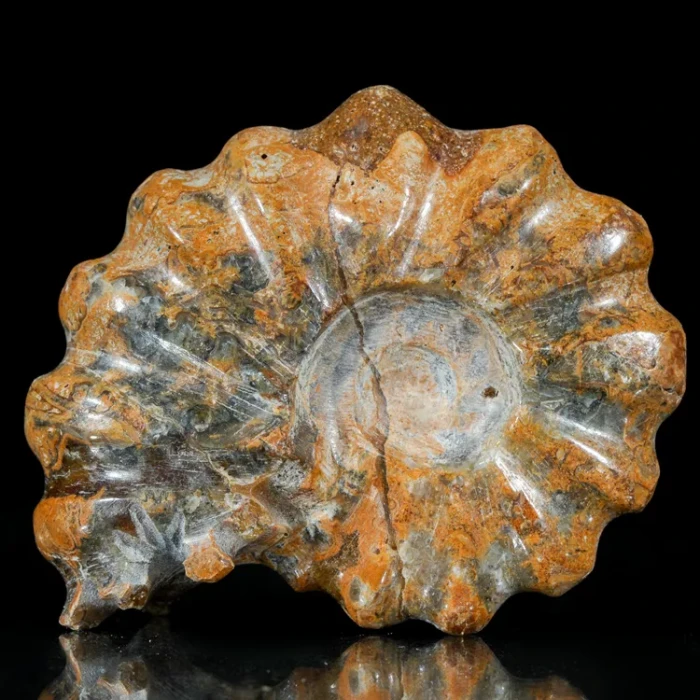
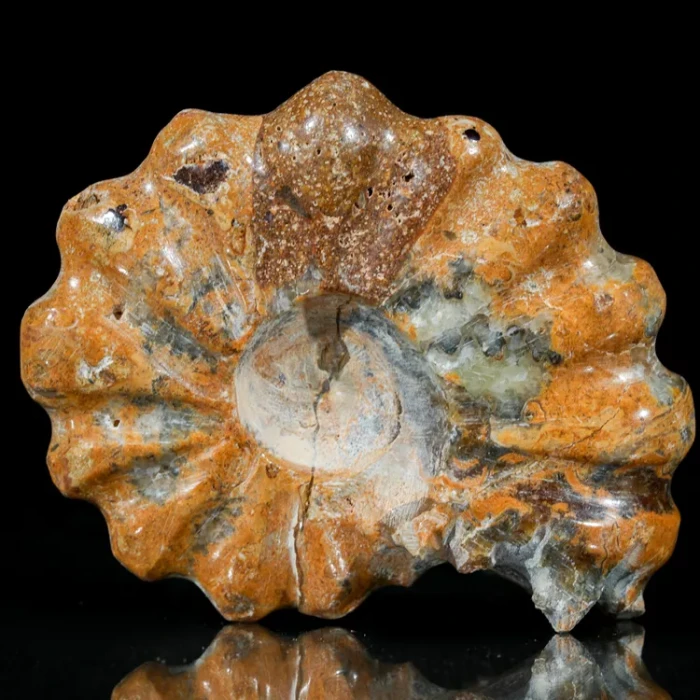
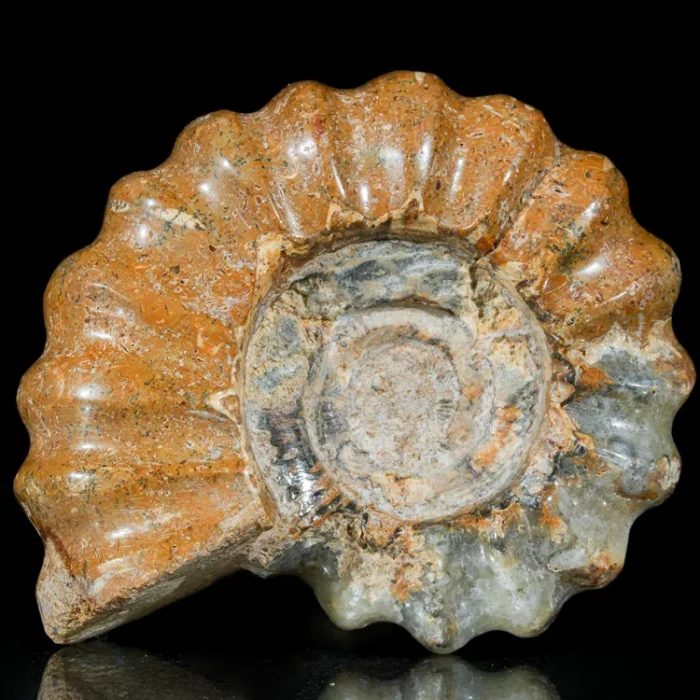
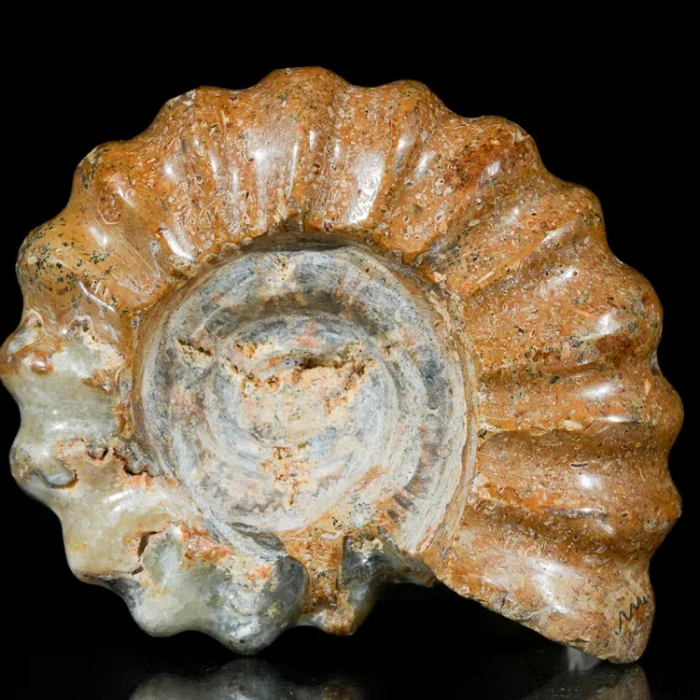
This listing features an original, raw specimen of an ammonite of the genus Douvilleiceras. The fossil comes from the famous Cretaceous formations of Madagascar and dates to the Early Cretaceous period (approx. 110–115 million years ago). The specimen has been preserved in its completely natural state—the shell has not been cut, cut to shape, or polished. As a result, it displays an intact, three-dimensional external structure, allowing one to study and admire the original defensive structure of this prehistoric cephalopod exactly as it was extracted from the rock.
Specimen data and specifications:
- ✓ Type: Natural Fossil
- ✓ Species: Douvilleiceras sp.
- ✓ Geological age: Lower Cretaceous (approx. 110–115 million years)
- ✓ Dimensions of the specimen: Approx. 102 x 80 x 40 mm
- ✓ Total weight: Approx. 368 g
- ✓ Origin: Madagascar (Mahajanga Province)
- ✓ Condition/Finish: Raw specimen, completely natural, unprocessed
- ✓ Photos: Show the product being offered
Characteristic structure and morphology of the genus Douvilleiceras
Ammonites of the genus Douvilleiceras are among the most recognizable cephalopods of the Cretaceous period. Collectors value them for their extremely distinctive, even aggressive shell sculpture. Unlike smooth ammonites (such as, for example, Cleoniceras), the Douvilleiceras shell is covered with dense, transverse ribs, on which rows of prominent nodules and papillae are symmetrically arranged (hence the colloquial English name “mammillated ammonite”). This heavily sculpted structure most likely served as protection against the marine predators of that time. The raw, unpolished condition of this specimen allows for a close look at one detail of this prehistoric defensive shield.
Why is it worth owning an unpolished, natural specimen?
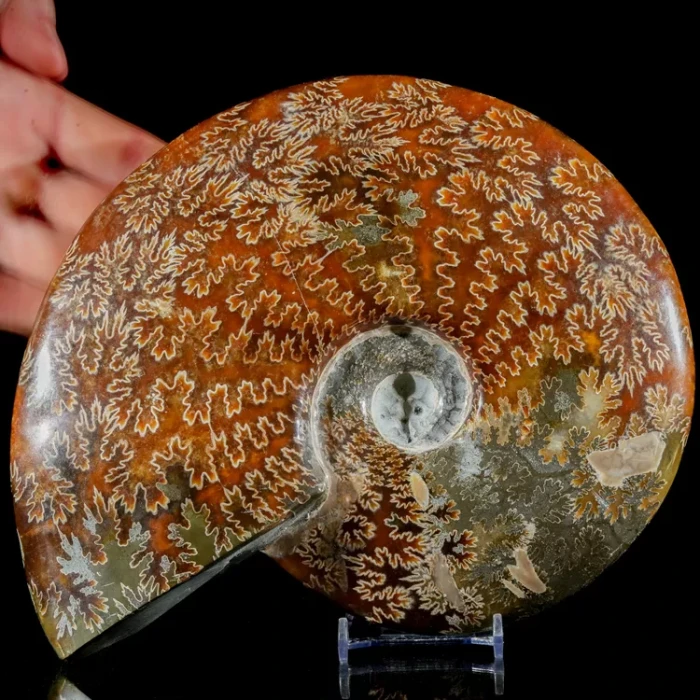
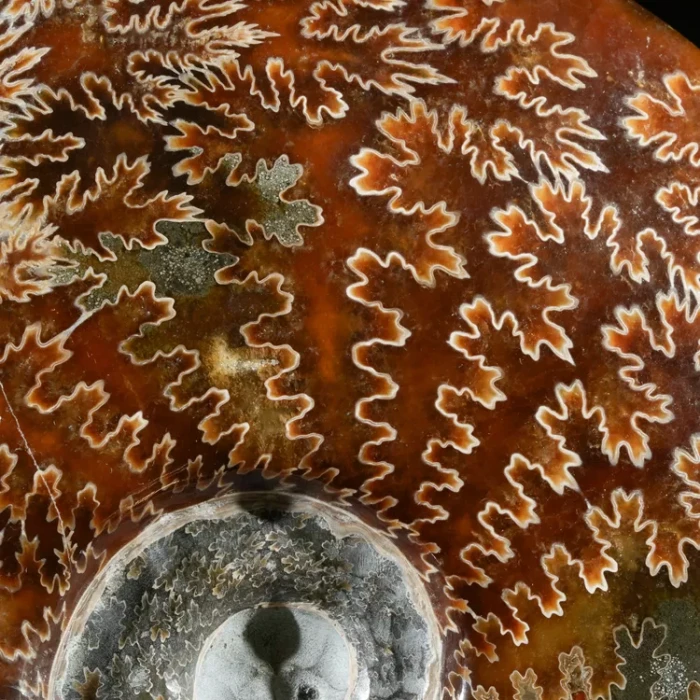
Although polished ammonite halves perfectly reveal the calcite chambers, only unpolished specimens fully capture the true appearance of the animal that inhabited the warm seas surrounding present-day Madagascar millions of years ago. Its handy size makes this specimen a perfect fit for modular collector’s boxes and classic display cases. The earthy, natural coloration, with visible microtraces of ancient sediment, underscores the fossil’s authenticity.


 Log in with Google